Do Florida black bears hibernate? 12 ways to keep you, your pets safeC. A. Bridges, USA TODAY NETWORK - FloridaTue, October 20, 2026 at 6:45 PM UTC
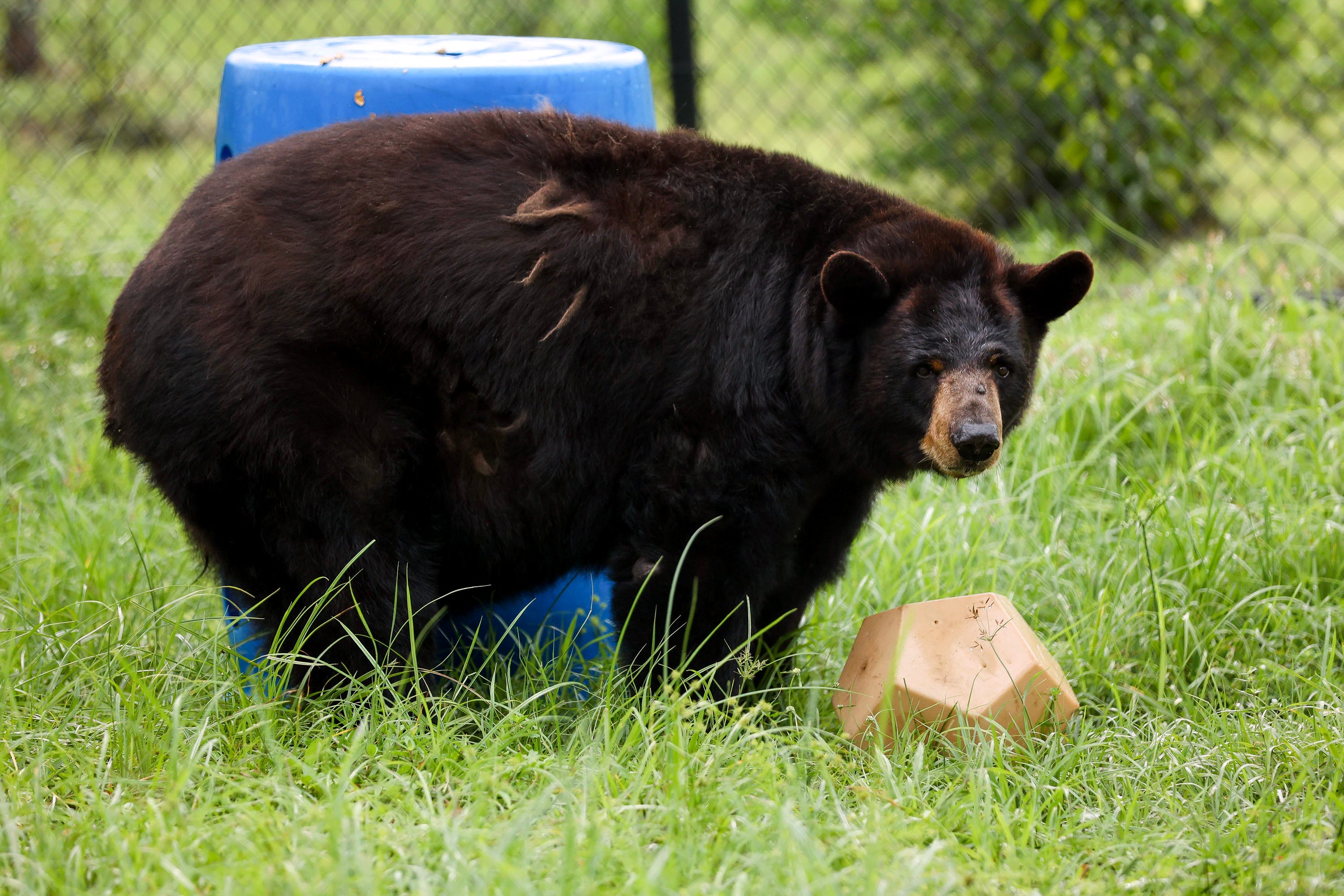
Every year, as the snow blankets the hills, bears shuffle off to their dens to hibernate through the winter and reawaken in the spring.
But this is Florida, where flurries of snow are rare, and winter is more like fall compared to the rest of the country. Do Florida black bears hibernate?
Answer: Sort of.
While they don't disappear for months like bears farther north, Florida black bears slow down considerably during the winter, and some may do something similar to hibernation. It's still not a good idea to mess with them.
Here's what to know and how to stay safe.
Why do bears hibernate?
Some animals, to survive a harsh winter when food is scarce, will enter a state called hibernation when their metabolic and physical activity is severely reduced, their breathing and heart rates slow, and their body temperatures decrease.
Every one to three weeks, a bear will wake up to eat, drink, and hit the bathroom, and then go back to sleep.
It's also called denning, torpor, and carnivore lethargy, according to the Florida Fish and Wildlife Conservation Commission, and it's a voluntary process.
Do Florida black bears hibernate?
All black bears hibernate, under the right conditions.
However, since Florida lacks extended periods of extreme cold, ours tend to simply slow down, act very lethargic, and sometimes enter an involuntary torpor for just a few hours at a time, which is more like passing out than going to sleep, experts say. Others may spend a few weeks in the coldest months sleeping in a den.
Pregnant females will always den in a protected spot as they produce their cubs.
When do Florida black bears hibernate?
Hibernation or torpor for Florida black bears starts in December, depending on the weather.
However, Florida black bears don't sleep as deeply or as long as bears in colder climates, if they den at all, and they're more likely to wake up and run away if disturbed, the FWC said.
What do I do if I stumble across a hibernating bear?
During the cold winter months, bears are likely to be more lethargic and easier to escape, but they can still hurt you if frightened or cornered. Mama bears are also likely to be defensive of their dens and the cubs.
Should you encounter a bear's den and it doesn't move away, the FWC says to remain standing upright and speak to the bear in a calm, assertive voice. Back up slowly toward a secure area, but be sure to leave the bear a clear escape route. Stop if moving away seems to irritate the bear.
Avoid areas where bears are likely to den. "Dens are commonly made on the ground in dense thickets but have also been found in tree cavities and under fallen trees or logs," the FWC said,
DO NOT:
Approach or surprise a bear, especially one that may be injured or that is protecting cubs
Make any sudden or abrupt movements
Make direct eye contact: Bears and other animals may view this as aggressive behavior.
Run: Running can trigger a chase instinct
Play dead: Black bears eat things that play dead or are dead
Climb a tree: Black bears can climb very well
How can I avoid bear encounters?
Bears may not be searching for food as often, but they need to feed and may be attracted to areas where they can find unsecured garbage containers. It is illegal in Florida to intentionally feed bears or leave out food or garbage that will attract them.
To reduce the chances of running into a bear:
Store garbage in a sturdy shed or garage and then put it out on the morning of pickup rather than the night before.
Modify your garbage can to make it more bear-resistant or use a bear-resistant container.
Use electric fencing to protect gardens, beehives, compost, and livestock
Pick ripe fruit from trees and bushes and remove fallen fruit from the ground.
Remove wildlife feeders and feed pets indoors, or only put out enough food to finish before dark and bring leftovers inside
Clean and degrease grills and smokers after each use and, if possible, store them inside.
C. A. Bridges is a journalist for the USA TODAY Network-Florida's service journalism Connect team. You can get all of Florida’s best content directly in your inbox each weekday by signing up for the free newsletter, Florida TODAY.
This article originally appeared on The Daytona Beach News-Journal: Do Florida black bears hibernate? 12 ways to keep you, your pets safe
Source: Nature



0 Comments