What It Really Means When You See A Vulture
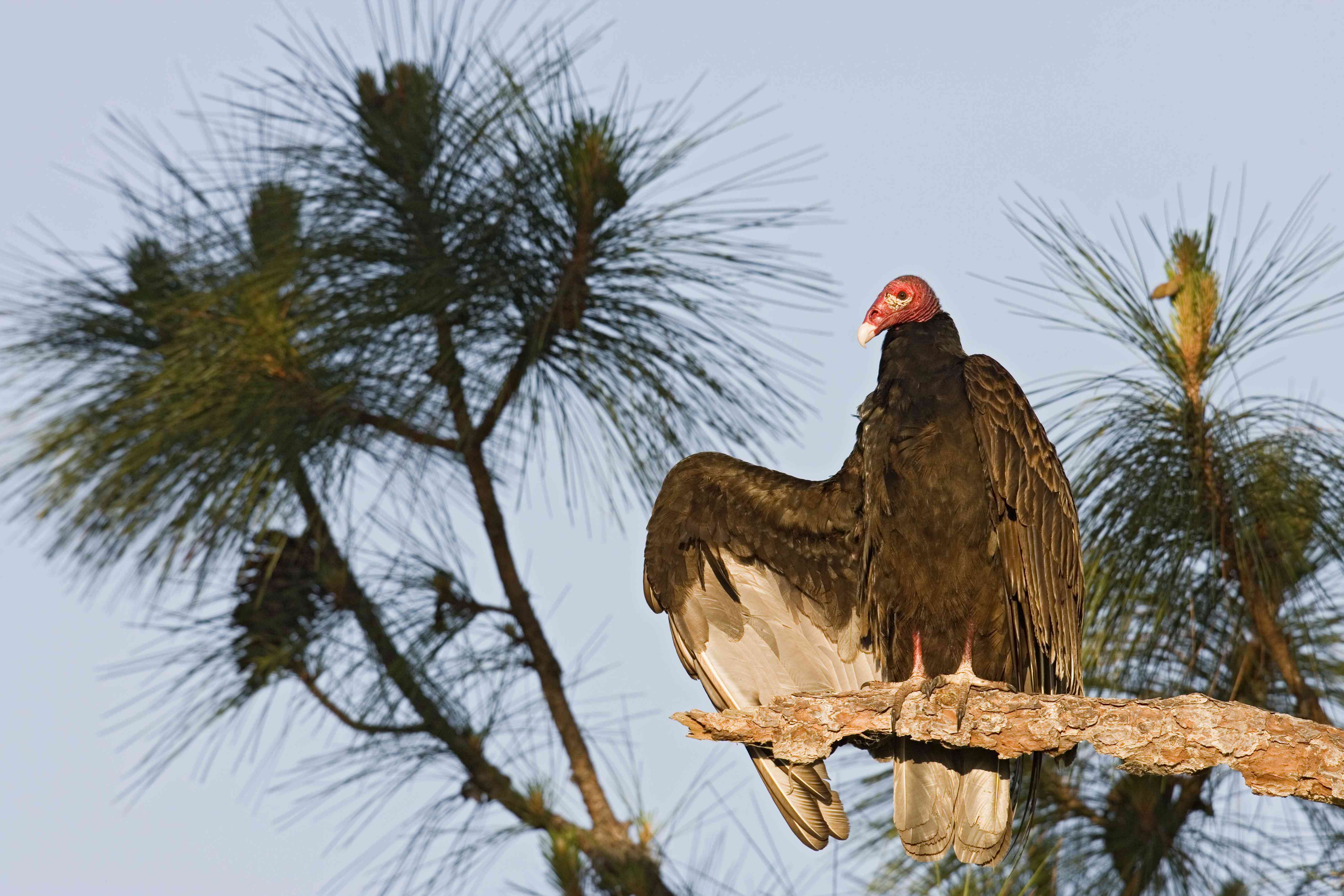
When it comes to vultures, people often associate them with death, dying, and misfortune or perhaps something more predatory in nature. Even using the term “they’re acting like vultures” doesn’t exactly ooze with positivity or goodwill.
Why Do Vultures Have A Negative Reputation?
But are vultures the black birds of death and negativity they’re made out to be in folklore and legend? Hardy Kern, Director of Government Relations, American Bird Conservancy, tells Southern Living a resounding no.
“They are known for their spooky appearance – a bald, skull-like head without feathers, a hooked beak, and a very large wingspan seen during flight as they scavenge for food below,” Kern explains. “They are also known for showing up near dead animals, such as roadkill, hence why a group of vultures that are feeding is termed a ‘wake’. ”
Despite this, Kern says vultures are the “most adorable and misunderstood” birds on Earth.
“They tend to be misunderstood because of their ‘creepy’ appearance and behavior,” Kern explains. “But vultures play a very crucial and unique role in maintaining ecosystem health, hence why conserving them and their habitats is so important.”
Where many see a creepy or unappealing bird with a stooping gait that likes to hang around dead things, nature sees a recycling service, a landscaper, and a public health office rolled into one.
What Is The Meaning Of A Vulture?
Vultures are large, daytime (diurnal) raptors that primarily feed on the decaying flesh of dead animals, known as carrion. There are 23 species found worldwide on every continent except Australia and Antarctica and three species found in the U.S. – Turkey Vulture, Black Vulture, and California Condor.
“All species in the United States eat fresh or scavenged meat, though other species eat everything from nuts to fruits to bones,” Kern says.
Turkey and Black Vultures can be seen year round in Southern states, often in rural and near residential areas, and are found all the way down to South America.
“During breeding season, Turkey Vultures can be found throughout much of the country,” Kern says.
Kern explains that vultures have a hierarchical social structure, where dominant individuals have priority access to food resources and breeding opportunities. They often engage in communal roosting, called a “committee,” on trees or the ground and a group of vultures in flight is referred to as a “kettle.”
“Vultures are opportunistic with some species attempting to snatch morsels from the kill of another predator, and others soaring for hundreds of miles a day in search of a meal,” he says. “Several species have a strong sense of smell, (which is) unusual for raptors, and are able to smell decaying animals from great heights, up to a mile away.”
What Do Vultures Symbolize?
Vultures have a range of symbolic significance across various cultures throughout history. Although often associated with death, decay, doom, and disaster in modern literature and contemporary culture, they also symbolize divine connection, guardianship, purification, renewal, and rebirth.
“In some cultures, vultures are the guides which ferry souls between the living world and the afterlife,” Kern says.
4 Common Misconceptions About VulturesThey are evil.
A vulture’s “scary” appearance, gruesome hiss, and attraction to death is the main reason why people may think vultures are evil.
“However, vultures rarely attack live, healthy animals. They may kill a severely wounded or sick animal, but they prefer to feed on animals that are already dead,” Kern says. “In fact, California Condors bred in captivity are known to be very gentle and loving, especially to their young.”
Vultures are ugly.
While they may not be winning any debutante pageants, a vultures’ unique appearance serves a purpose.
“The bare skin on a vulture’s head is believed to keep it clean when feeding on decaying animals, and also serves a role in thermoregulation,” Kern explains. “And the reason why most vultures produce a hissing or grunting sound when agitated or when fighting for access to food, is because they can’t sing. They lack a syrinx, (which is) the vocal organ that songbirds have.”
Vultures are gross.
As scavengers, vultures play a crucial role in maintaining balanced ecosystems. They provide an important ecological service by removing carcasses and harmful bacteria that would otherwise become breeding grounds for diseases.
“Their stomach acid is extremely corrosive and allows them to safely digest carcasses infected with harmful pathogens that would be lethal to other animals, removing these germs from the environment,” Kern says. “If you don’t get mad at the people who haul away your trash and recycling, you shouldn’t get mad at vultures.”
Kern adds that areas without vultures tend to have more disease among wildlife, livestock, and even people, but – admittedly – they are “a little gross in some really ingenious ways.”
“When they are scared or being chased by a predator, they can vomit on cue, which not only distracts their pursuer, it also makes them lighter and allows a quicker escape,” Kern says. “Vultures also poop on their own legs to help cool off, just as humans evapotranspire by sweating, vultures do so with poop.”
Vultures don’t need protection.
Kern says that vultures, generally speaking, have long lifespans compared to other birds, with some species living up to 30 years or more in the wild. California Condors are also very long-lived birds, surviving up to 60 years in the wild. Despite this, several vulture species around the world face extinction due to habitat destruction, poisoning, and hunting.
“In the U.S., toxins like rodenticides and lead poisoning, mostly from spent ammunition, continue to be a major threat to Black and Turkey Vultures, and especially to Critically Endangered California Condors, with roughly only 500 individuals left,” Kern says.
on Southern Living
Source: Nature
