We Asked Bird Experts If You Should Take Down Your Hummingbird Feeder Now and They All Agreed

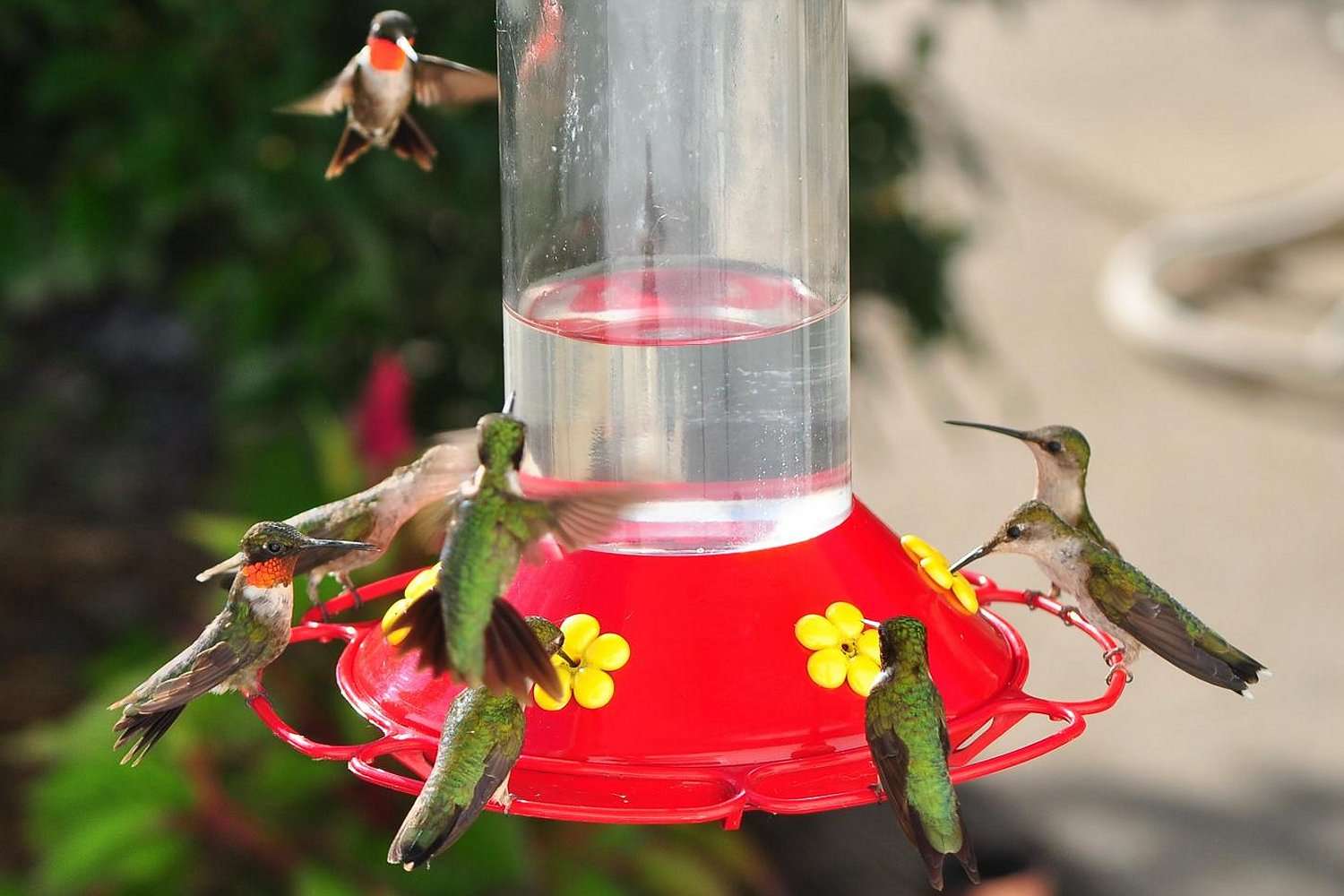
Attract hummingbirds with a simple nectar recipe.Credit: jeffreyw / Flickr / CC by 2.0Key Points
Take down feeders about two weeks after the last hummingbird leaves, typically by early October.
Leaving feeders longer won’t stop migration—it helps late travelers refuel before heading south.
Clean and store feeders for winter, then put them back up in early spring to welcome returning birds.
Hosting hummingbirds with a feeder is a delight for many homeowners; with their vibrant colors and precision acrobatics, hummingbirds add a touch of magic to any outdoor spaces and assist with controlling insects and pollinating plants.
But when is it time for the feeder to come down? Find out when to take down the hummingbird feeder, why you should, and what effects leaving it might have.
Meet the Expert
David Mann is a biologist and founder of bird sound identifier Haikubox.
Isabelle Manseau is a birder and owner of bird feeder company Birdzy.
Time to Take Down the Hummingbird Feeder
Take down the hummingbird feeder around two weeks after the last hummingbird leaves.
“In most regions, this is between mid-September and early October,” says Isabelle Manseau, owner of bird feeder company Birdzy.
You might want to keep the feeder out a little longer if you live in a warmer climate so stragglers have a chance to fuel up before continuing their journey.
Hummingbird Feeders and Migration
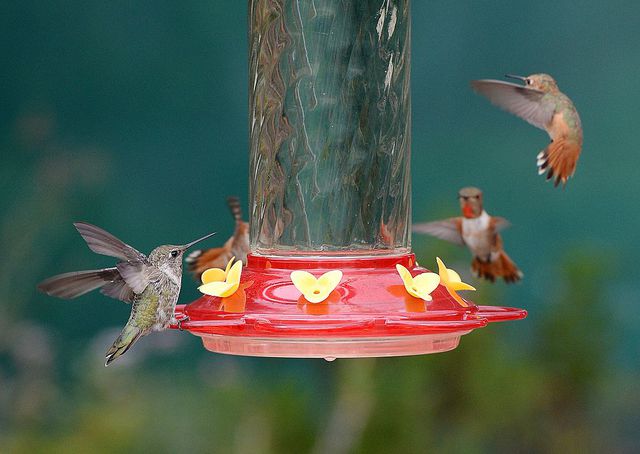
It’s a common misconception that feeding hummingbirds will stop them from migrating. The idea is that by providing hummingbirds with all the food they want, they have no need to seek new food elsewhere.
This isn’t actually how it works, says biologist David Mann, founder of bird sound identifier Haikubox.
“Migration is triggered by changes in day length. As summer wanes and days grow shorter, migrating birds get restless and eventually begin their journey.”
It doesn’t matter if there is a reliable food source nearby, adds Mann. So, instead of trying to deprive hummingbirds hummingbirds of their food, it should be the opposite. You want to give hummingbirds one last, hearty meal before you send them on their way.
Keeping the feeder out just a bit longer—about two weeks—is a lifeline for hummingbirds still passing through late in the season. They need all the energy they can get for their long journey south.
Resident vs. Migratory Hummingbirds
Not all hummingbirds migrate. Resident hummingbird species like Anna’s Hummingbirds are non-migratory, or resident, meaning that some stay in or around one location throughout the year. Keeping feeders filled for a little while longer can help residents, as well as the late migrants.
Why Take Down the Feeder
Though you can leave your hummingbird feeder out all year, it’s usually more practical to take it down for the winter to avoid:
Nectar spoilage: The surgery nectar will continue to spoil if left in the feeder throughout the winter.
Attracting pests: Ants, raccoons, rodents, and bees are attracted to the feeder and its nectar.
Damage to the feeder: Wind, falling leaves and tree limbs, and freeze-thaw cycles will damage the fragile feeder.
Increased maintenance: Since you should be cleaning your feeder every two weeks, it’s probably not something you want to be doing during the dead of winter.
Other Ways to Attract Hummingbirds
Try attracting hummingbirds with native plants and shrubs that act as hosts for the insects that they eat. Native nectar-rich plants and flowers entice hummingbirds, as well as water features like a foundation or garden pond, especially with moving water. They are particularly fond of lupine, petunia, salvia, and zinnia to name a few plants.
How to Store the Feeder
After you have removed the hummingbird feeder, clean it and store it. Some feeders can be disassembled and sterilized in the dishwasher.
Older feeders or feeders that are in delicate condition should be cleaned by hand. Pour a diluted bleach solution through them and rinse them with clean water.
Dry, cover, and store the feeder for the winter.
When to Put the Hummingbird Feeder Back Up
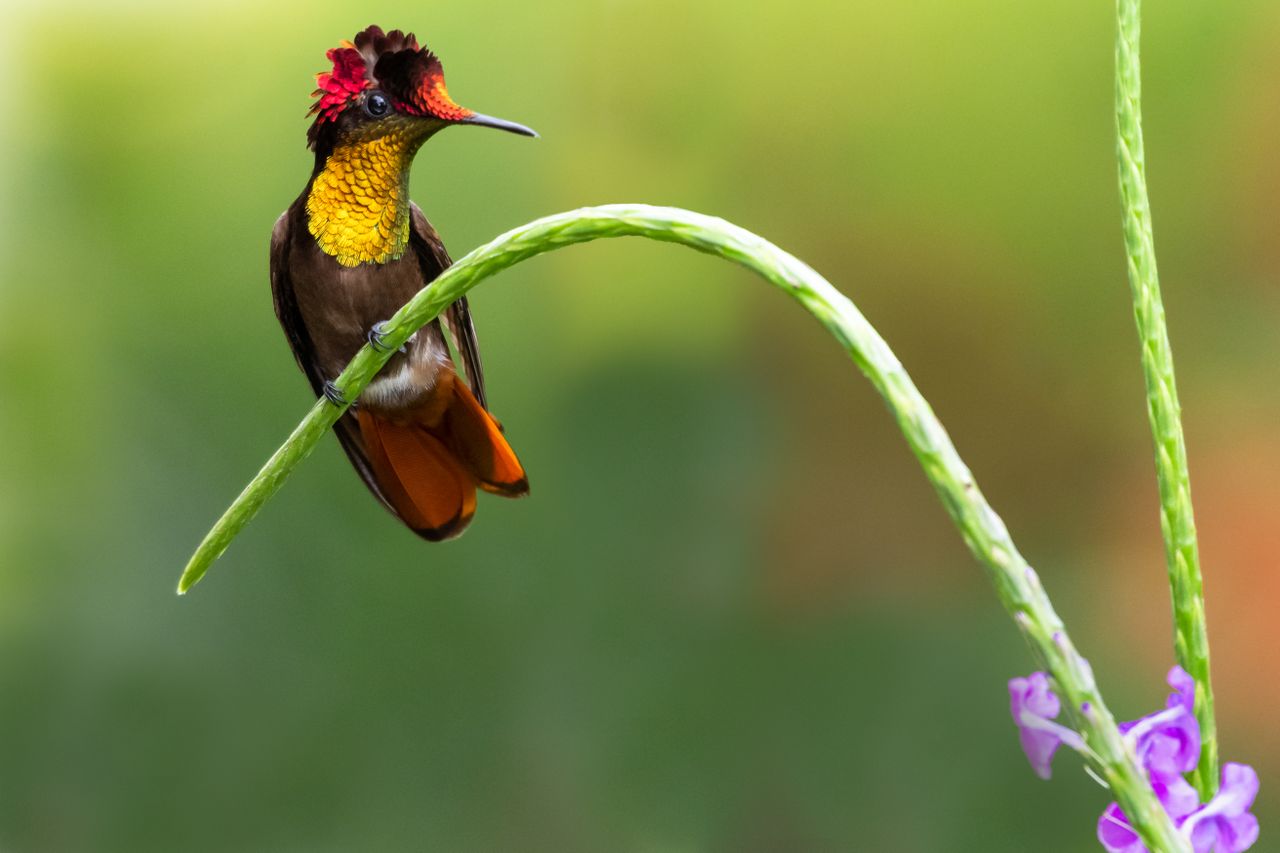
After winter, you can put the hummingbird feeder back up in early spring.
“Aim to have your feeder up about two weeks before you expect the first migratory hummingbirds—typically around late March or early April in many parts of North America,” says Manseau.
You’ll catch the first arrivals, often hungry from their long trip back. The hummingbirds will be eager for an easy source of food, and your feeder will be a prime option.
on The Spruce
Source: Nature



0 Comments