These 3 Clues Can Help You Tell Male and Female Hummingbirds Apart
How to Tell Male and Female Hummingbirds ApartDennis Govoni
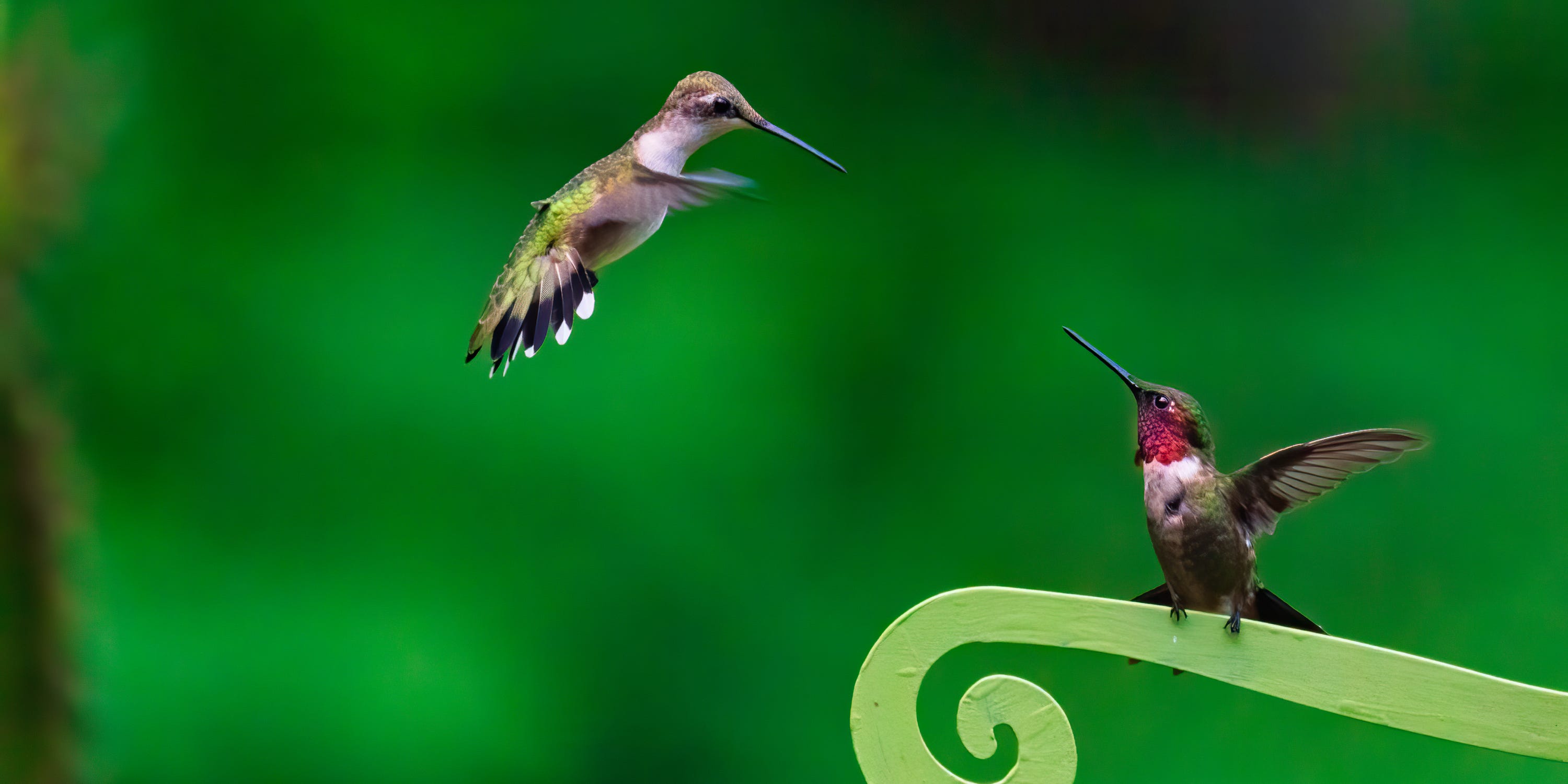
Hummingbirds zip through the garden so quickly, it can be hard to tell who’s who. But a closer look at their coloring, feathers, and behavior can reveal whether you’re watching a male or a female. Here are three clues to look for the next time one visits.
Color
Richard Goluch / 500px
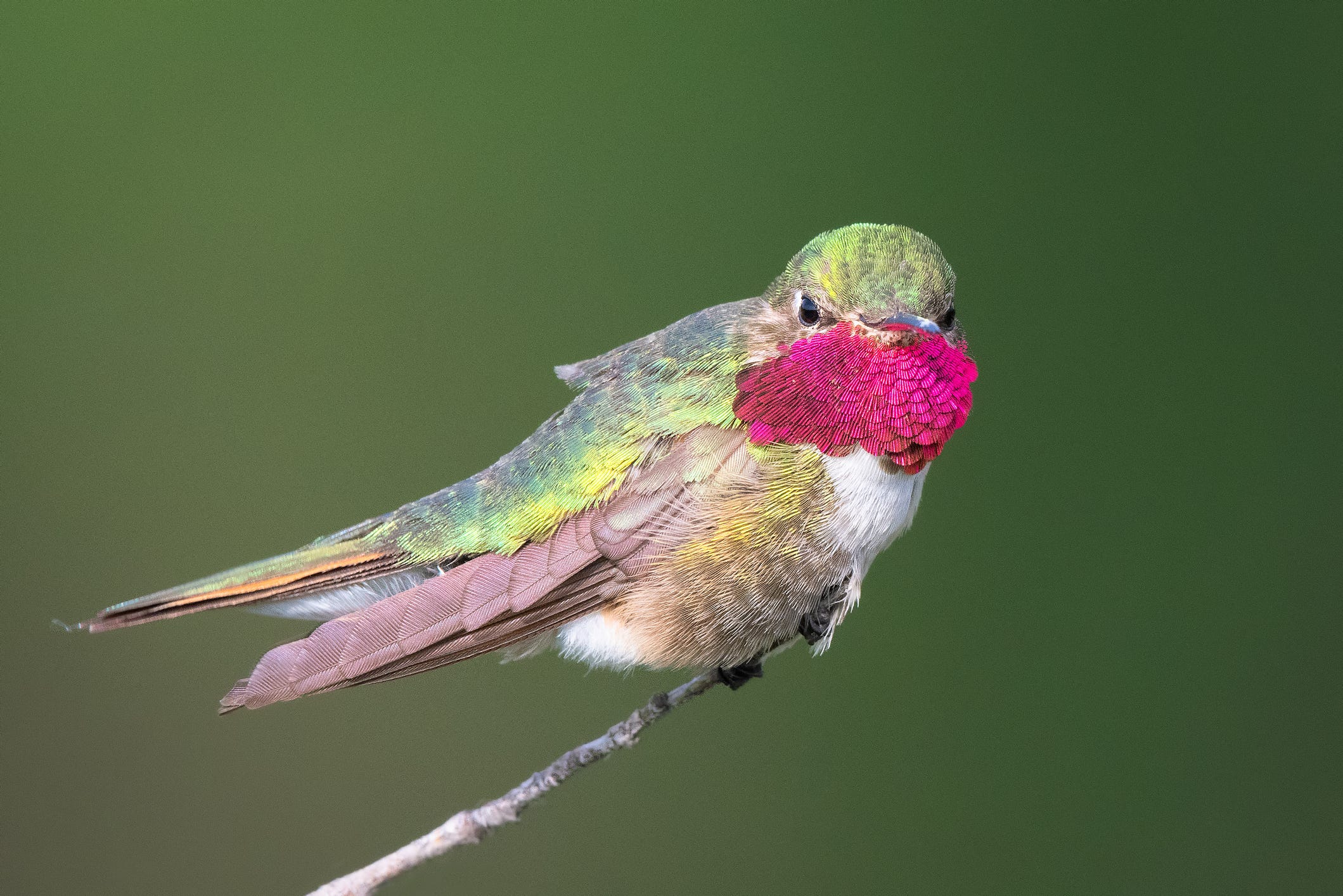
One of the easiest ways to tell male and female hummingbirds apart is by looking at their color. Males usually have much brighter feathers than females—especially on their gorget (that flashy patch of feathers on the throat) and head. Their plumage can shimmer in bright reds, pinks, purples, and greens, depending on the species. Females, on the other hand, tend to be more subtly colored. Their throats are usually white or lightly speckled, and while they may still have some iridescence on their backs, it’s far less vibrant than the males’.
This pattern is common among birds: males use their showy feathers to attract mates, while females’ muted tones help them blend into the environment and avoid drawing attention to their nests.
One tricky part? Young males. For their first month or two, juvenile males often look a lot like females before their bright adult feathers fully grow in.
Size
Female hummingbirds are often slightly larger than males—a difference that helps them handle the energy demands of nesting and raising young. The extra body mass gives them a little more stamina and energy storage, which comes in handy during egg laying and incubation. In some species, females also have slightly longer beaks, which let them reach deeper into flowers for nectar. That not only helps them get more food but also means less competition with the males.
Behavior
Hal Beral
Both male and female hummingbirds can be feisty, especially around food sources. During courtship, males put on an aerial show for the females, flashing their colorful feathers and performing fancy flight patterns.
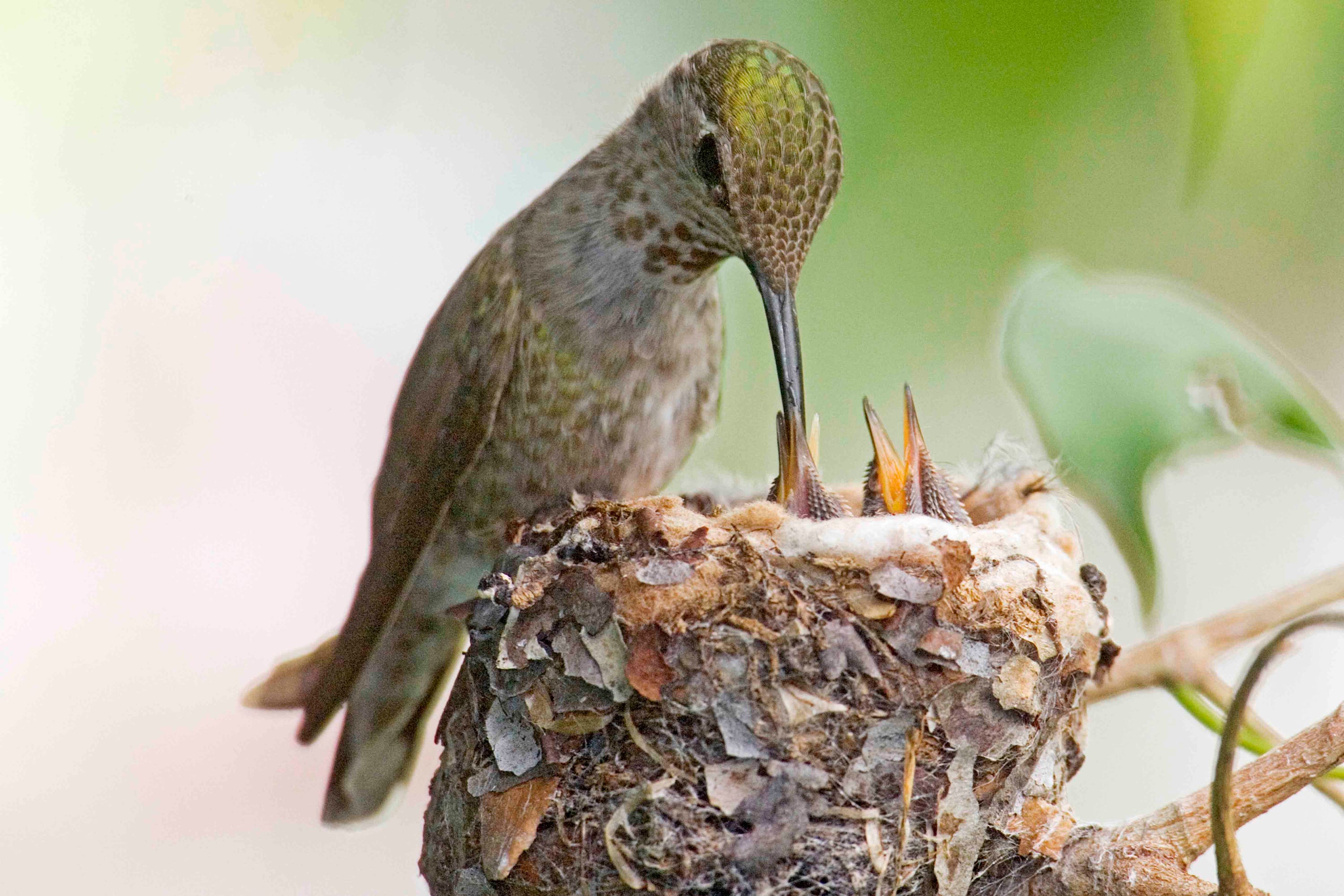
Females, however, are the ones who do all the parenting. They build the nest before mating, incubate the eggs, and raise the chicks entirely on their own. So if you spot a hummingbird sitting in a nest, you can bet it’s a female.
You Might Also Like
30 Retro Baby Names That Are Making a Major Comeback
Amazon's Overstock Outlet Is an Under-the-Radar Spot for Affordable Decor
6 of the Loudest Dog Breeds that Love to Bark
Source: Nature



0 Comments